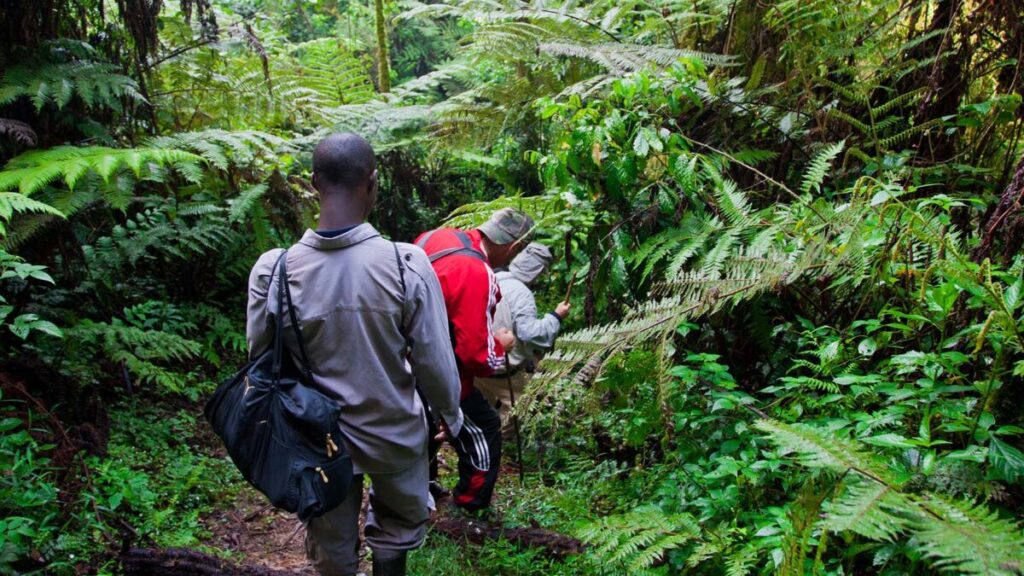
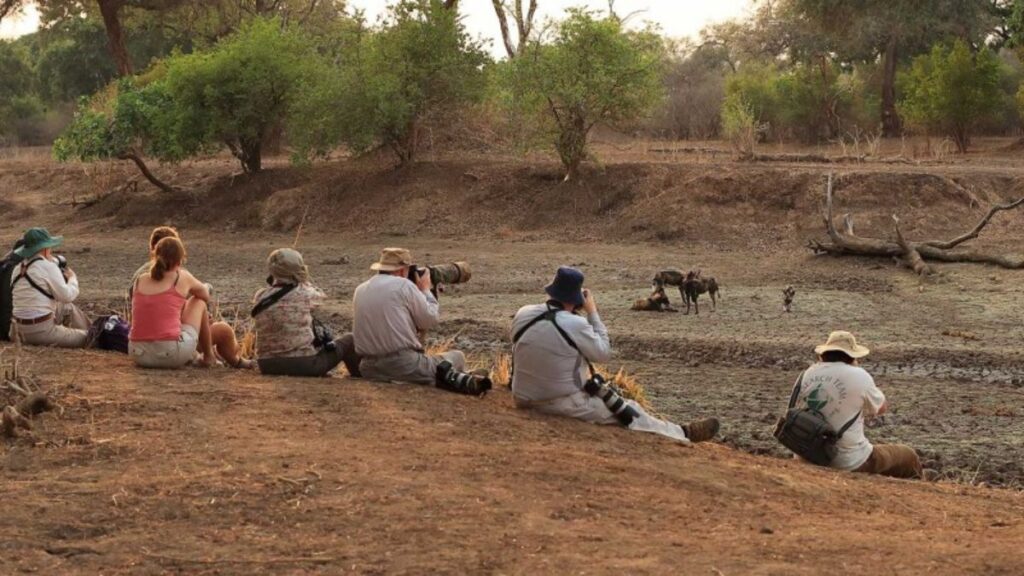
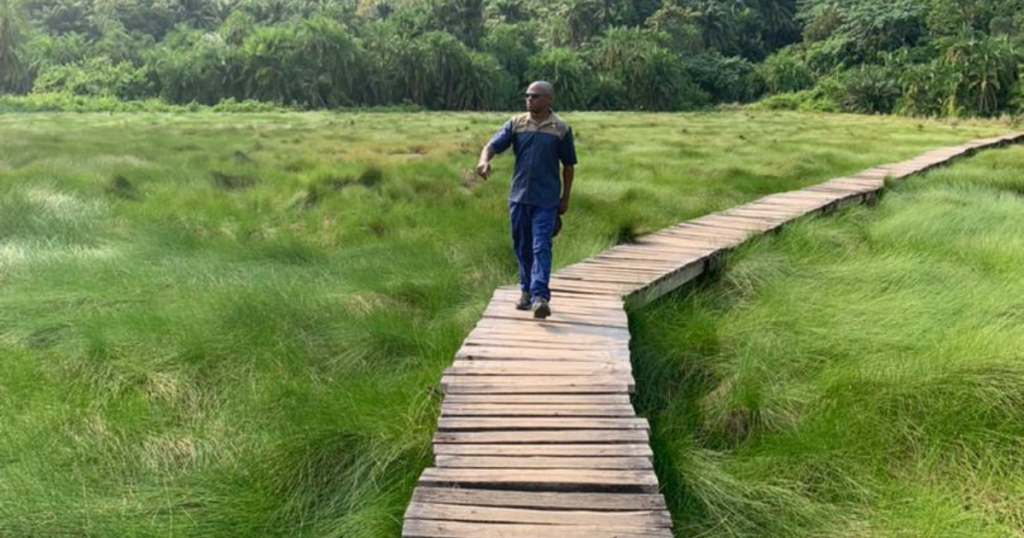
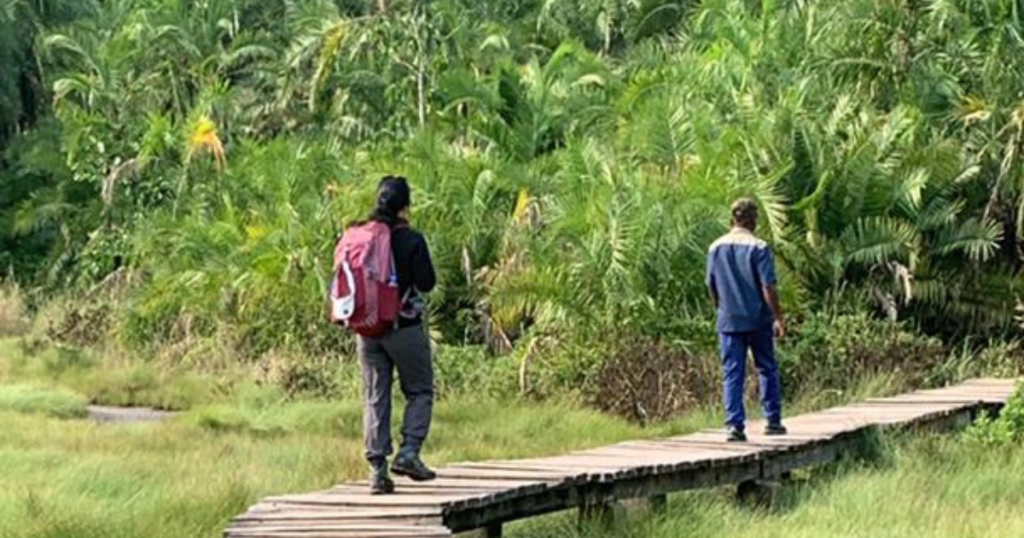
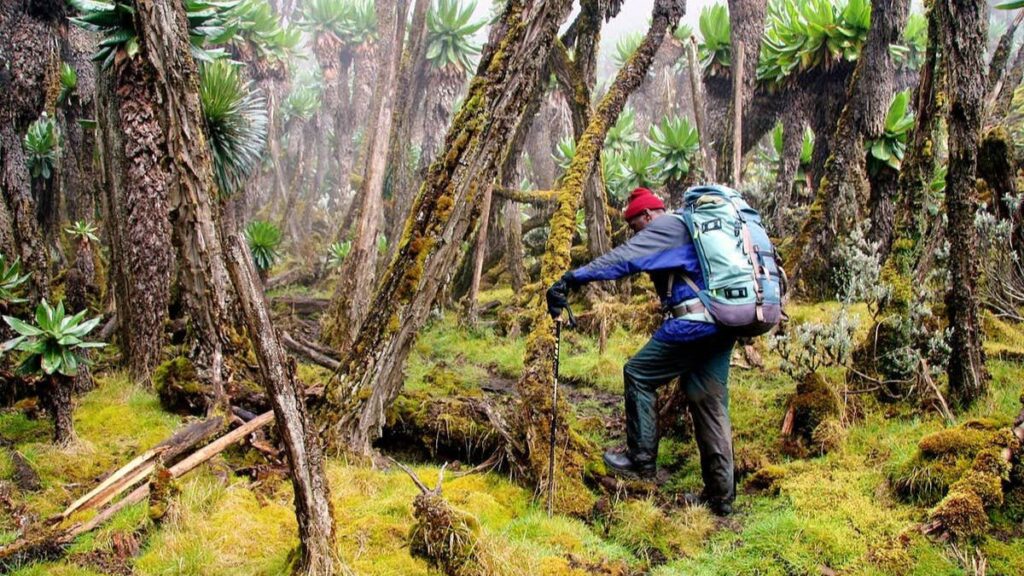
Walking safaris can take various forms, like trekking or hiking, but standard walking safaris usually involve hiking through big game zones with the intention of seeing animals as well as learning about the ecology of the place you are exploring. It is basically a way for you to explore your surroundings in a more intimate and personal way. A walking tour is one of the various forms of walking safaris, and it usually takes place in a town or city. Trekking is another form of walking safari, except that with a trek, you have a singular objective in mind. For example, gorilla trekking in Bwindi Impentrable Forest National Park is to see habituated gorillas in their natural environment. 

Walking safaris vary in length but typically last between two and five hours for longer walks and one to two hours for shorter walks. However, it depends on the itinerary that was put together and agreed on for the tour; this can make the walking tour longer or shorter. You will seldom walk more than five to six miles on a walking safari, but the distance is also determined by the time of day you are taking the walk, the terrain, and the weather season. Morning walking safaris might be a bit easier because they are generally cooler in the mid-morning because of how hot it can get. Terrain can make your walking safari a bit harder either because of the weather; for example, if it rains, then some places get slippery, or due to the way a place is, some places are hilly and the ground is uneven, and that might make it harder to walk on it. 

Typically, a walking safari in Uganda costs anywhere between $70 and $300 (UGX 300,000 and 1,000,000). The price of the tour is dependent on the length of the itinerary, how many people are taking it, and how many activities are planned for you to do on the walk. These walking safaris take place on different trails in the major national parks in the country; for example, the Uganda Wildlife Authority conducts nature-based walking safaris in Bwindi, with the most popular locations being the trailheads of Buhoma, Rushaga, Ruhija, and Nkuringo. These tours can be day tours, night tours, or both, depending on your preference.

Unlike other safaris, walking safaris provide you with a more intimate look at the flora and fauna of the area you are in. When you are in a safari vehicle, it is easy for you to miss the smaller animals because you are looking out for the big five and other larger animals. On a walking safari, you will have the chance to see all the animals, like the big game, but you can also experience the call of the birds, see the plants clearly, and possibly track down animals like elephants by following the signs that they leave behind after being in an area.

For a walking tour, you will need to have a couple of things that will make your tour a comfortable one:

  • Walking shoes: They need to be comfortable, the right size, and offer ankle support.
  • Bag: You will need a bag that is comfortable for you to carry for about an hour or longer.
  • Water bottle: You will need to hydrate on your walk, and a fair-sized water bottle is good for you to have.
  • Snacks: Even though you will have the opportunity to try local food and drinks, you will want to have a couple of snacks to help keep your energy up during the walk.
  • First Aid Kit: Because walking is a physical activity, there is a slim chance of getting minor injuries that you will need to treat, so having a first aid kit is handy in making sure you are prepared for any eventualities.
  • Hat: In hot weather, a hat will keep you cool and protect your skin.
  • An extra layer: An extra jacket that is light enough to carry but is warm is important just in case the weather suddenly changes and gets colder.
  • Comfortable clothes: You will need to wear clothes that are comfortable for you, are made of breathable fabric like cotton, are loose-fitting, or are not too tight. Clothing like t-shirts and cargo shorts or pants is a good option to consider for a walking tour. Long pants and socks into which you can tuck your pants are a good option for a walking safari that takes place in a forest like Bwindi Impenetrable Forest. This is because they can protect you from insects getting into your clothes and plants that will be brushing against your skin as you walk.
  • Sunglasses: These are to protect your eyes from the sun and dust. 

These are the basics you will need for a walking tour. 

  • Get familiar with your itinerary: Knowing what your walking tour will entail is a good way for you to understand how your tour will go.
  • Get a medical check-up: Because walking is a physical activity, getting a check-up done is important so you know how you are doing physically and how easily you will be able to push yourself during the tour. 

        Pack a light bag. Because you will be walking, whatever you pack needs to not make you heavier.

        Choosing the right footwear: Go shopping for the shoes you will wear on the tour. Make sure they are comfortable for you and are the right size. They also need to be the type that can be worn for long periods without hurting or chaffing your ankles or hurting your heels. Don’t forget to pick up a pair of comfortable socks that are breathable as well.

        Accessories: Make sure that the accessories you plan to wear on the day of the tour will not eventually get uncomfortable and weigh you down. For example, you will not want to wear heavy jewelry as it will stick to your skin as you sweat and irritate it.

There are some benefits to taking a walking safari:

        It is a great way for you to exercise. Walking is a good type of exercise because it does not put too much strain on the body.

        Walking tours take place in groups, so it is a good way for you to meet new people and form new connections.

        This is a chance for you to explore the area in a more hands-on way.

        You will be able to meet locals on your tour if you are going through any communities on the safari.

        They are safe. A walking safari is one that is guided by an experienced tour guide who has extensive knowledge of the area, so they know what areas to take you to that are safe and those to stay away from.

A walking safari is a good way to explore a park in a way that provides you with a deep understanding and appreciation of the area you are visiting. It will give you unique memories that you can look back on and knowledge that you can share with your loved ones when you get back home. 


Unauthorized copying or use of content from this website is prohibited and may result in legal action.