Even though Kampala now sits on 21 hills, it still retains the name “The City on 7 Hills.” With a population of about 1.5 million people, this ever-expanding city is a melting pot of various cultures and people from all walks of life.

This metropolis sits on a rich history that stretches well into pre-colonial Uganda, is a major player in the colonial history of the country, and continues to take center stage in Uganda today.

History

Originally, Kampala sat on seven hills: Namirembe, Mengo, Old Kampala, Rubaga, Makerere, Mulago, Nakasero, and Kibuli. The name Kampala comes from the word impala, a type of antelope that was abundant in the area at the time. This name was specifically given to Old Kampala Hill, where Sir Frederick Lugard built his fort on December 18, 1890. Hill of Impala translated into akasozi k’empala; this then morphed into the word Kampala. 

By the time Sir. Lugard set up his fort in Old Kampala, Mengo Hill was the location of the kibuga “city” of Kabaka Mwanga. Every Kabaka used to choose where his city would be, and that would be his seat of power during his reign.

The 7 Original Hills: History and Main Attractions

Each of the seven original hills of Kampala has key attractions that make each of them special, each with its own interesting story.

Namirembe Hill

This hill gets its name from the Luganda word “Mirembe,” which means peace, hence the hill of peace.

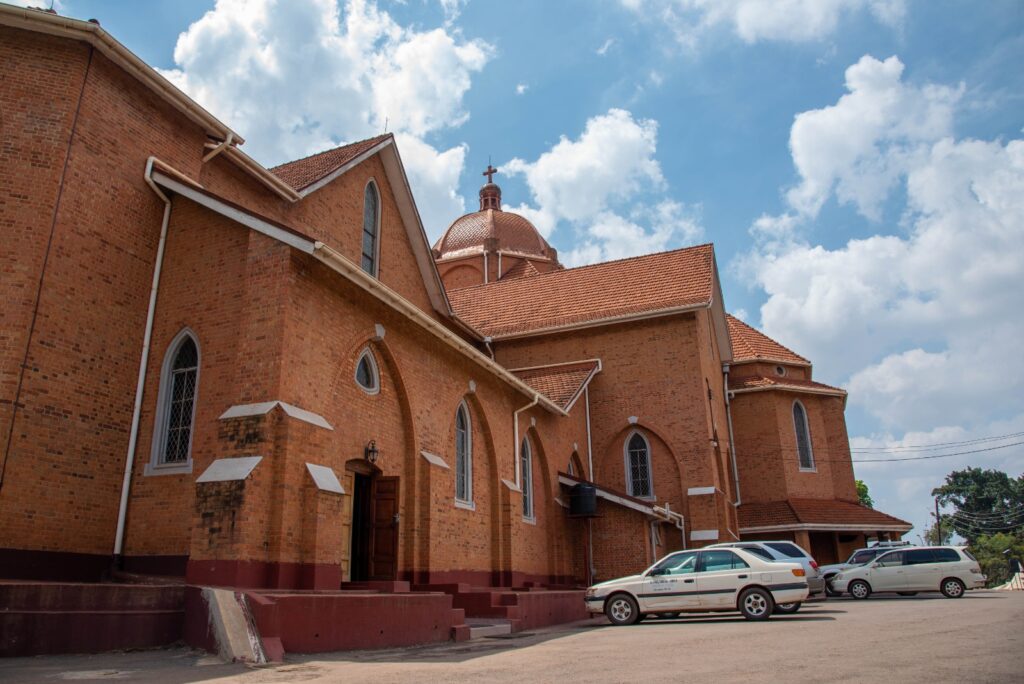
The oldest cathedral in Uganda, St. Peter’s Cathedral, commonly known as Namirembe Cathedral, sits on Namirembe Hill. It is also the site of the first Anglican diocese in Uganda. Namirembe Cathedral was first built in 1890 in Kitesa, which was west of Namirembe Cathedral. It was able to seat 800 people.

The second church was also the first church built on Namirembe Hill. It was opened on July 31, 1982, and Kabaka Mwanga attended the first service in it.

The third and final church was an improvement on the second church. It eventually evolved into a brick-lay church whose first foundation stone was laid on June 18, 1901, and was officially consecrated on June 21, 1904.

On September 23, 1910, the church was destroyed by a terrible storm, and reconstruction commenced. The church was finished and was consecrated on September 13, 1919. Since then, the church has had minor improvements made to it to maintain it.

Mengo Hill

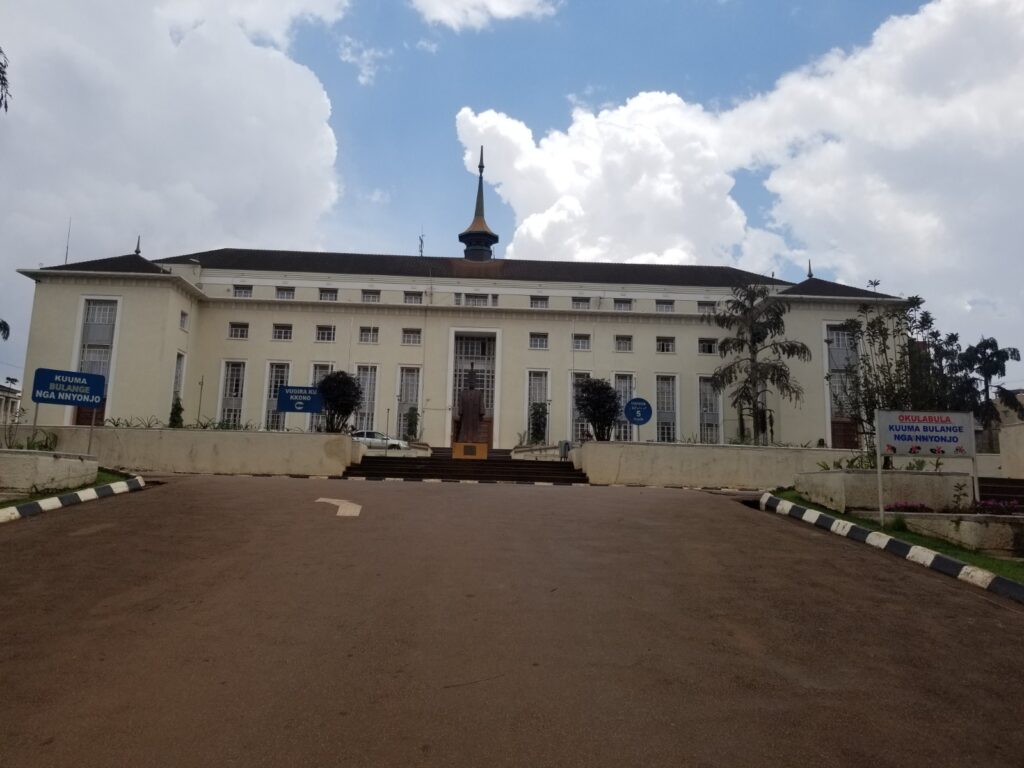
Mengo holds one of the most important structures in Buganda: the Kabaka’s Palace, Lubiri.

This palace was first built in 1885 by Kabaka Mwanga II. 

Originally, this hill was called Nkaawo Hill and was where the Nvubu clan kept their grinding stones, locally referred to as emmengo. These stones were used to grind herbal medicine because the Nvubu clan’s roles in the palace were to heal the sick and wounded as well as to light the palace torches.

It was from the word emmengo that the name Mengo was adopted. The hill’s name was changed after it was chosen by Kabaka Mwanga II as the location for his Libiri.

Mengo Hill was also the site of the signing of the Buganda Agreement of 1900, which officially made Uganda a British protectorate. 

Old Kampala Hill

Old Kampala is the starting point of the city as we know it today. Historically, the hill was referred to as akasozi k’empala, which translates to the hill of impalas because of the many impalas that were on this hill in the 19th century. This is where the name Kampala comes from.

It was also where Fort Lugard was set up in 1890, when Sir Lugard came to Uganda.

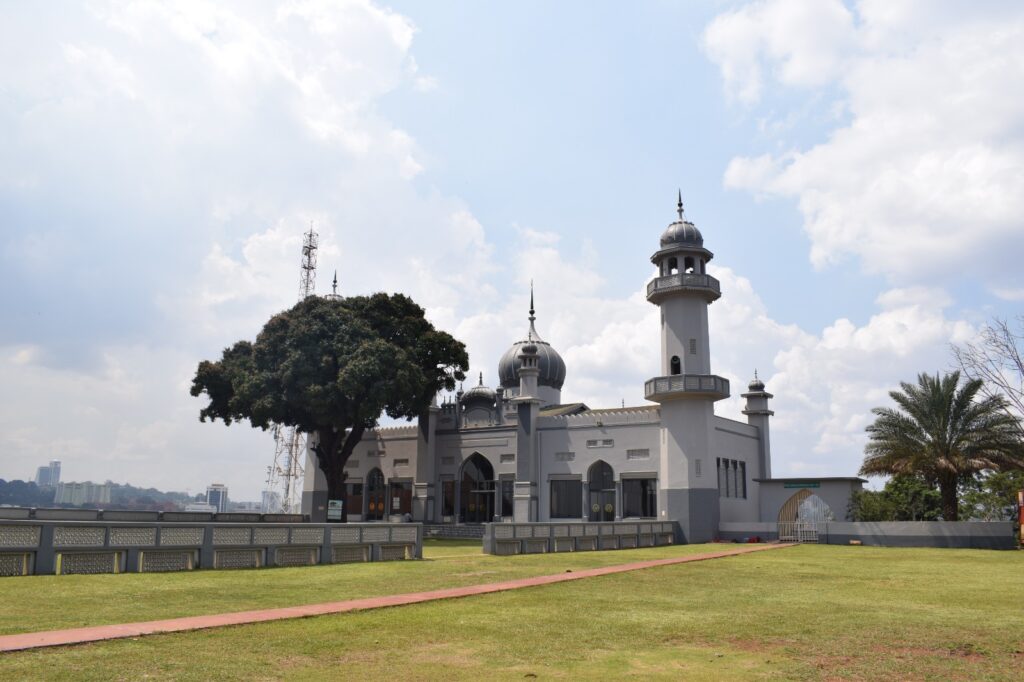
The largest mosque in Uganda is the Gaddafi Mosque, also known as the Uganda National Mosque, in Old Kampala. Construction of the mosque started in 1972 but came to a standstill in 1976 due to financial limitations. 

In 2001, Mufti Sheik Shaban Ramadhan Mubaje approached the late president of Libya, Colonel Muammar Gaddafi, during his visit to Uganda, requesting assistance with the construction that was accepted. In 2006, construction on the mosque restarted, and it was completed and officially opened in 2007. It was named Gaddafi in honor of Colonel Gaddafi. It was renamed the Uganda National Mosque after Gaddaf’s death in 2013.

Rubaga Hill

The name Rubaga comes from the Luganda word “Rubaga,” which means to plan. 

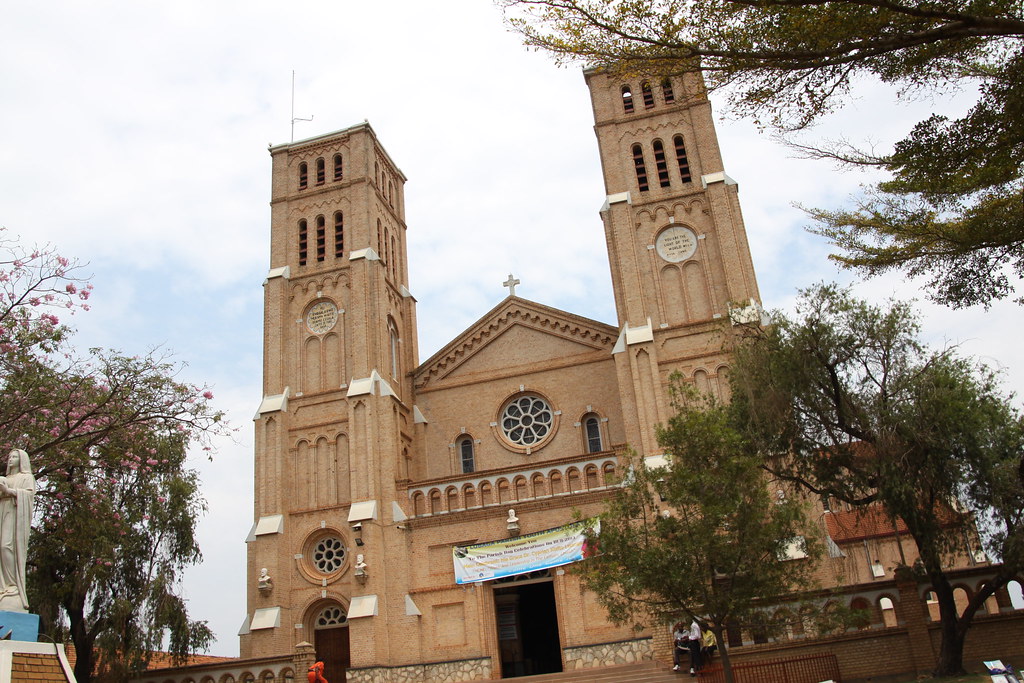
This hill was where Kabaka Mutesa I first met the French Catholic white fathers and was the site of his Lubiri. However, the Lubiri was later destroyed by lightning and was moved to Mengo by Kabaka Mutesa I’s son, Kabaka Mwanga II, after his father’s death. 

Rubaga was one of two hills that were given to the Christians by Kabaka Mutesa I on which they could build their houses of worship: Rubaga for the Catholics and Namirembe for the Anglicans.

This hill is the site of Rubaga Catholic Church, as well as the cardinals residence, Rubaga Girls School, and Rubaga Hospital.

Makerere Hill

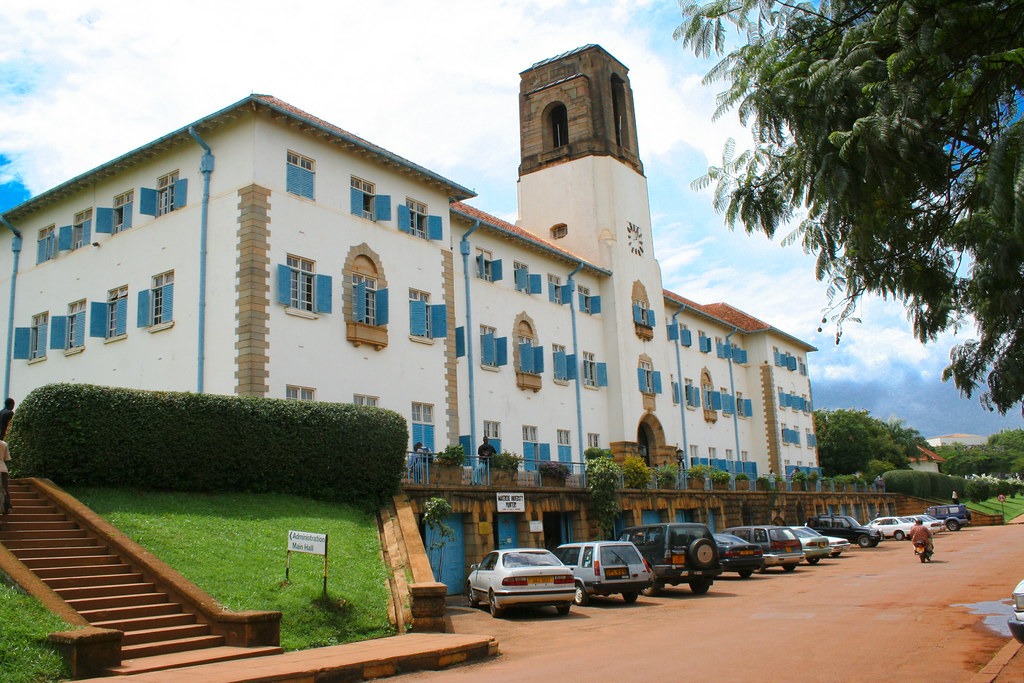
Makerere Hill, also known as the Hill of Knowledge, is where the first public university was opened in 1922, Makerere University. It is one of the best universities in Africa and has had students who have gone on to make an impact on the African continent, like the late Julius Nyerere, the former president of Tanzania, and Paul Kagame, the president of Rwanda.

Makerere was formerly called Bwaise. One day the Kabaka spent time with a woman on this hill and lost his sense of time, not realizing that dawn the next day had come before he got back to his palace. Upon seeing this, it is reported that the Kabaka said “Ganno Makerere,” meaning it has dawned without him noticing. This is where the hill gets its name.

Mulago Hill

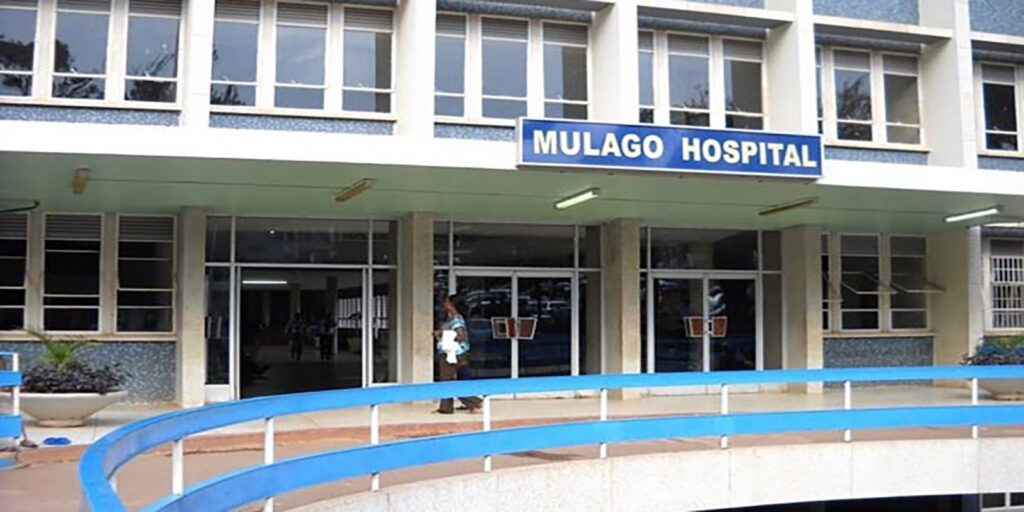
Mulago Hill is where the largest public hospital, Mulago National Referral Hospital, sits. The hospital treats hundreds of patients every day from every corner of the country. It is one of two national referral hospitals and serves as an academic teaching hospital.

Mulago Hospital was founded in 1913 by Sir Albert Cook, a British medical missionary, as a treatment center for sleeping sickness and sexually transmitted diseases. 

The name Mulago comes from the word “Omulago,” which was the name of a traditional herb that was grown on the hill by Kabaka Ssuuna, who claimed that it helped sustain him from spirits.

Nakasero Hill

The name Nakasero comes from the word “ebisero,” the name for woven baskets made by women on this hill. People then started calling the place “ewobusero,” which later transformed into the name Nakasero. 

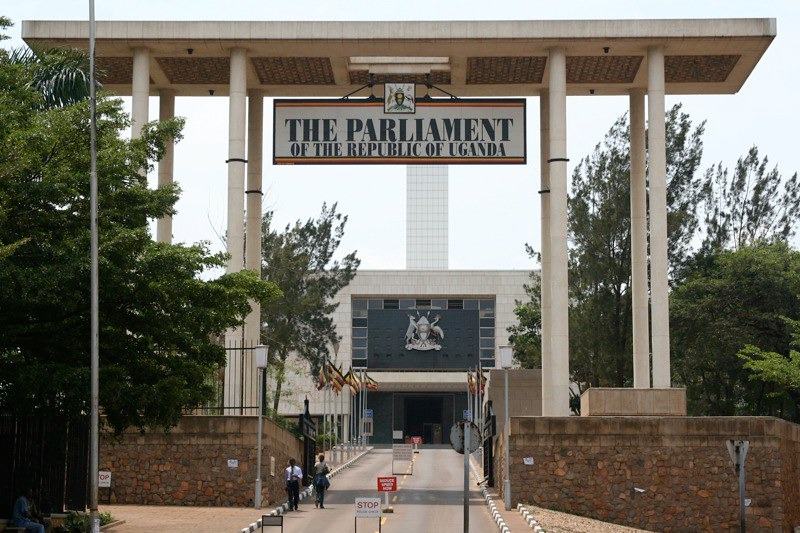
Nakasero is the center of Uganda’s politics and economy because it is where the central business district is located. The top of the hill is dotted with luxury hotels, offices, hospitals, and government offices. It is also where State House Nakasero sits. Further down the hill, you find ordinary business and commercial activities in the city, like the taxi park and restaurants.

Kibuli

Kibuli was originally the private land of Omulangira (Prince) Nuhu Mbogo, which he received as a token of appreciation for his collaboration with the British colonialists. Initially, this land was meant to be the location of his palace. After an expedition up the hill to explore his new land, the prince realized it would be a more suitable spot for a mosque, so he donated the land to the Muslim community. In 1892, he built the first mosque on top of the hill. Later, his son, Omulangira Baduru Nakibinge, donated an additional 80 acres for the school and the hospital. 

Kibuli Hill hosts a number of attractions, like Kibuli Mosque, Kibuli Hospital, and Kibuli Secondary School, which was founded in 1959. Kibuli Hospital started as a small outpatient facility in 1984 but later grew into a fully fledged hospital.


Kampala, like any capital city, has continued to grow past its original seven hills. It now comprises an additional 14 hills like Banda, Buziga, Naguru, Mutundwe, Mutungo, Mbuya, Nsambya, Kireka, and Makindye, among others.

You can explore Kampala and the hills that make up its beautiful scenery with us and see that the beauty of Uganda lies not only in its wildlife but also in its people and history.

By: Kahumuzah Blessing Agnetta

Unauthorized copying or use of content from this website is prohibited and may result in legal action.