Uganda, a beautiful and diverse country in East Africa, is home to a rich cultural heritage and a vibrant tapestry of ethnic groups. Among its population, there are approximately 52 recognized tribes, each with its own unique traditions, languages, and customs. These tribes contribute to the diverse and multicultural fabric of Ugandan society. Let’s delve into some of the prominent tribes of Uganda.
1) Baganda: The largest ethnic group in Uganda, the Baganda, primarily inhabits the central region. They have a well-organized kingdom with a rich history and cultural heritage, including the famous Buganda Kingdom royal tombs and traditional dances like the “Gombe” and “Kiganda.”
2) Banyankole: Also known as the Ankole people, the Banyankole are renowned for their long-horned cattle and are mainly found in the southwestern region. Their culture includes distinct dances like “Ekitaguriro” and “Ekitaguriro,” and their traditional attire features beautifully crafted cowhide garments.
3) Basoga: The Basoga people reside in the eastern part of Uganda, along the shores of Lake Victoria. They have a monarchy system and are known for their vibrant music, dance, and traditional instruments like the “Endigidi” flute.
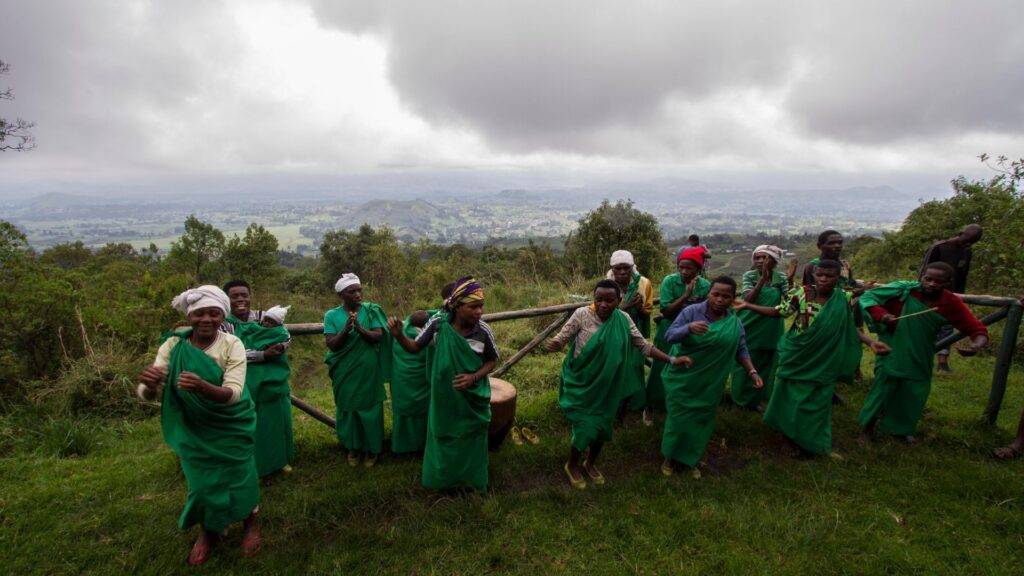
4) Bakiga: Predominantly inhabiting the southwestern region, the Bakiga people are known for their resilience and terraced farming techniques. They have a unique dance called “Ekizino” and are famous for producing talented long-distance runners.
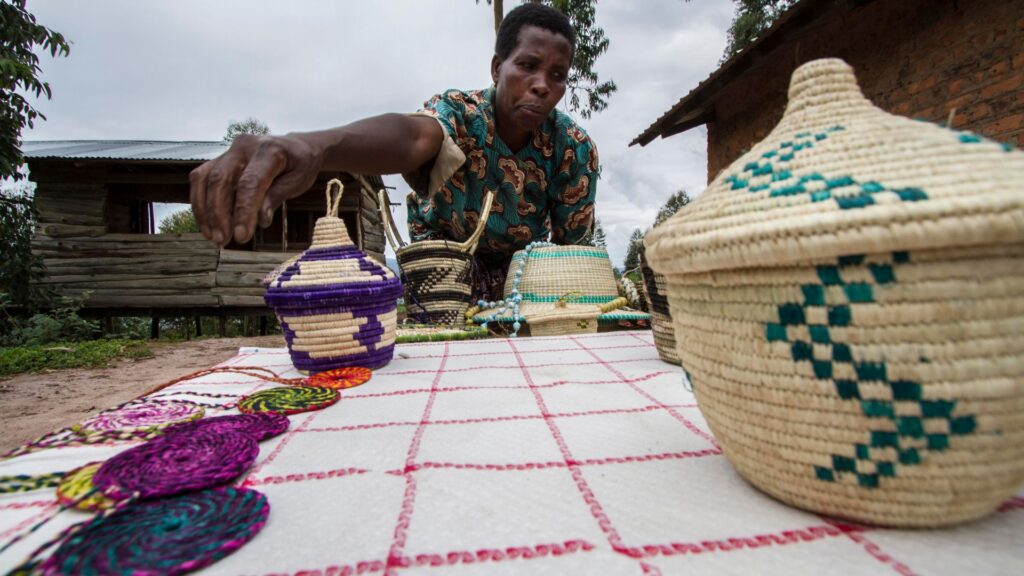
5) Iteso: The Iteso people reside in the eastern region of Uganda, primarily in the districts of Soroti and Katakwi. They have a rich cultural heritage with vibrant dances, such as the “Teso Dance,” and are skilled in crafting various items, including baskets.
6) Langi: The Langi people are concentrated in the northern part of Uganda, particularly in the Lango sub-region. They have a strong agricultural background and are known for their farming practices, pottery, and traditional music.
7) Bagisu: The Bagisu people are located in the eastern region, mainly in the districts of Mbale and Sironko. They are well-known for their male circumcision ceremony called “Imbalu,” which is a significant rite of passage in their culture.
8) Acholi: The Acholi people primarily reside in the northern region of Uganda, with Gulu as their cultural and administrative center. They have a rich cultural heritage with traditional dances like the “Bwola” and “Larakaraka.”
9) Karamojong: The Karamojong people are pastoralists who inhabit the northeastern region, particularly in the districts of Moroto, Kotido, and Kaabong. They have a distinct nomadic lifestyle and are famous for their cattle herding skills.
10) Batoro: The Batoro people are part of the Bantu-speaking ethnic groups and primarily reside in the western region, particularly in the districts of Fort Portal and Kabarole. They have a monarchy system with the Toro Kingdom and a rich cultural heritage.
These are just a few examples of the diverse tribes that make up Uganda’s cultural mosaic. Each tribe has its own languages, customs, traditional attire, music, dance, and beliefs, adding to the vibrant tapestry of Ugandan culture. The coexistence of these tribes is a testament to the country’s diversity and the harmonious nature of its people.

Unauthorized copying or use of content from this website is prohibited and may result in legal action.
WhatsApp us