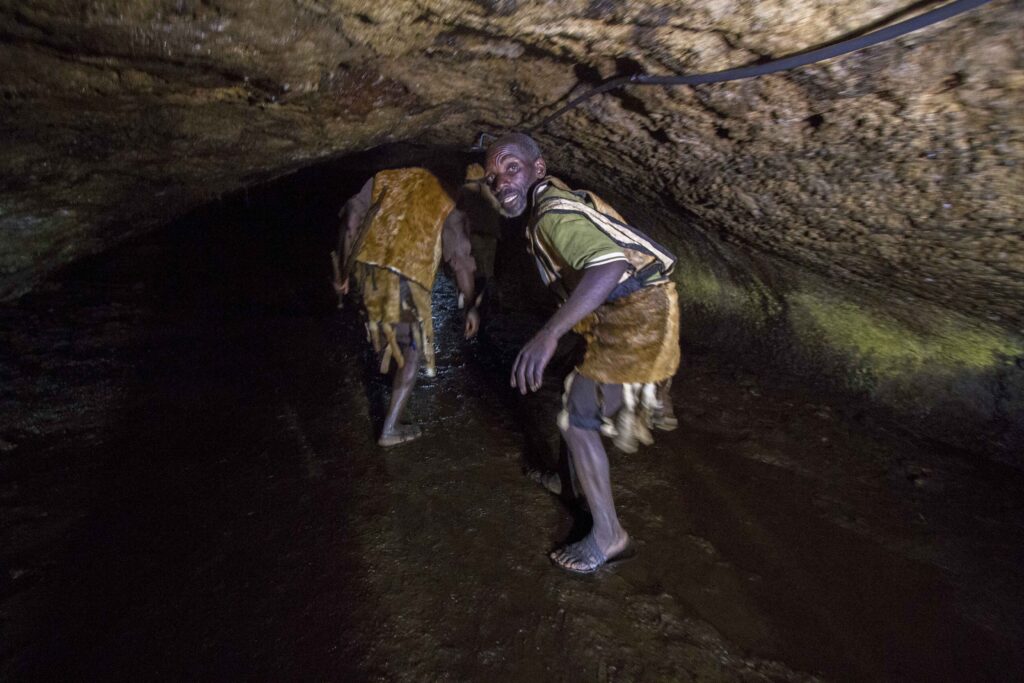
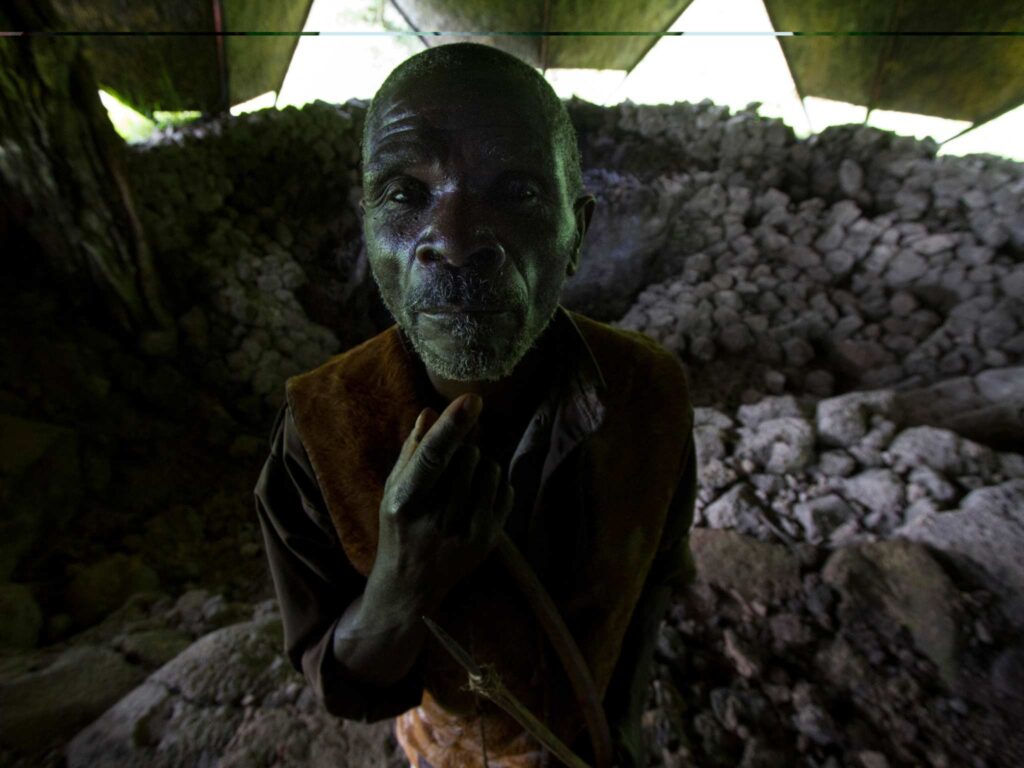
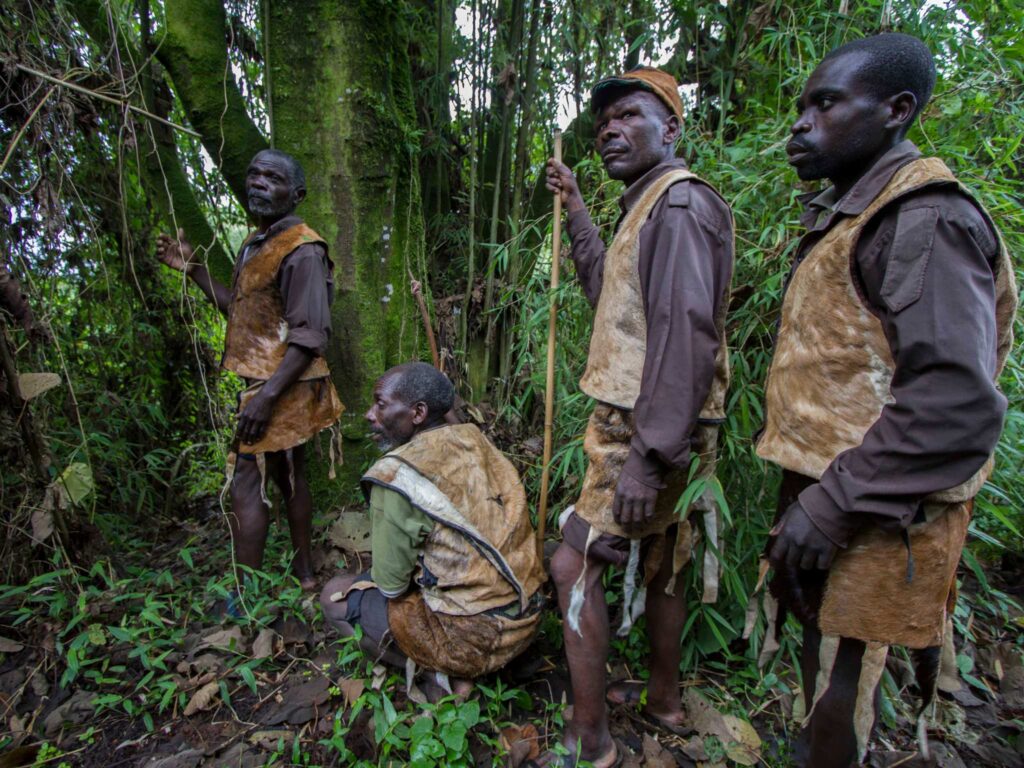
The Batwa people, also known as Twa, are a pygmy ethnic group renowned as the forest custodians, owing to their extensive time coexisting with wildlife in forest environments. The Batwa are the original inhabitants of the Bwindi Forest, having thrived there for over three centuries.

Their origin traces back to the Ituri Forest in the Democratic Republic of Congo, where they migrated in pursuit of game for hunting, which led to the naming of the Kisoro region as “the area occupied by wild animals.”

Primarily located in south-western Uganda across the districts of Bundibugyo, Kabale, Kisoro, and Rukungiri, the Batwa’s ancestral home was the Bwindi Impenetrable National Forest. However, their eviction forced them to become reliant on the Mgahinga and Bwindi Impenetrable Forest Conservation Trust (MBIFCT).

Evariste Ndikumana is the leader of the Batwa, who embody the heritage of traditional hunter-gatherer societies indigenous to central Africa. Despite their rich legacy, they are now the most marginalized ethnic group in Burundi.

Photo credit: Isaac Kisamani.

With an estimated existence of 60,000 years or more, pygmy tribes like the Batwa have a deep-rooted history within Africa’s equatorial forests. Their survival depended on hunting, gathering, and constructing shelters from natural resources. Living harmoniously with the forest and its inhabitants, including the iconic mountain gorillas, was their way of life.


The pivotal year 1992 brought a transformative shift for the Batwa. The Bwindi Impenetrable Forest was designated a national park and World Heritage Site, leading to the eviction of the Batwa to protect the endangered mountain gorillas. Lacking land ownership, they received no compensation, transitioning into an unfamiliar landscape without their forest home.


The initial years of exile posed significant challenges, with many Batwa succumbing to adversity. In 2001, Dr. Scott and Carol Kellermann, dedicated American medical missionaries, emerged as beacons of hope. Their tireless efforts spanned almost a decade, during which they procured land and established essential infrastructure—homes, schools, medical facilities, water projects, income generation initiatives, and advocacy for indigenous rights—to uplift the Batwa community from their plight.


The Batwa people’s history is a testament to their resilience and the ongoing endeavors to preserve their cultural heritage and restore their place within a changing world.


Unauthorized copying or use of content from this website is prohibited and may result in legal action.